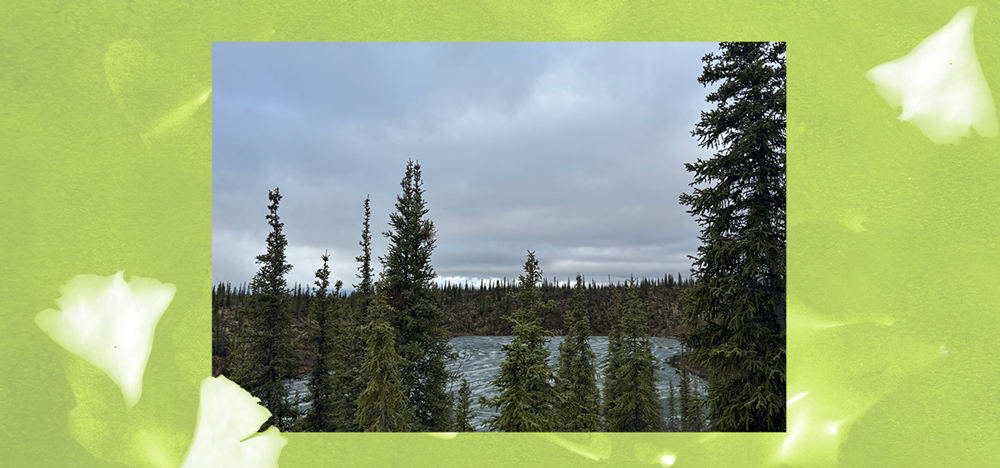
We want to bring you up to speed and include you on our journey!
Before 2025, Simon and I were hardly the outdoor types, but that changed when we started trail running. When you work from home, it’s easy for the days to bleed into each other. You start to feel cooped up. Even running around the block starts to feel like it has four walls, but then you get out on the trail and tap into that endorphin high realizing that wild spaces are an antidote to the sameness that surrounds you. A trail like Powell Butte, for example, is dynamic yet tranquil -- away from the congestion of city life, giving you an evolving panorama of seasonal landscapes
We fell head over heels (metaphorically *fingers-crossed*) in love with the thrill of the trail, we decided to take the plunge into backpacking, with our first hike toBright Angel Campgrounds at the bottom of the Grand Canyon. Contending with the extreme weather and grueling terrain showed us how much we were capable of overcoming. The Grand Canyon has a deserved reputation for its nearly stupefying breadth and seemingly unending vista, you gain perspective literally and figuratively. The inconveniences of life become trivial, because you’re faced with expansive beauty bigger than anything you’ve ever personally experienced. It’s the right of every person to have access to that perspective, and yet, we learned there is still a lot of work to be done making the outdoors accessible to all.
On the trail to Bright Angel, one of our party members was the target of disparaging remarks made by another hiker. The 7 mile trek down into the canyon is difficult and dangerous enough with the weight of a pack on your back -- it’s even harder when you add the weight of someone else’s inconsiderate actions. Regardless of the hiker’s intention, their comments were alienating and showed us that despite our shared interest in outdoor splendor, plenty of people in and around the outdoor industry feel entitled to decide who belongs out on the trail.
Just weeks after our trip to the Grand Canyon, we joined a team of filmmakers on a backcountry media excursion to Arctic Village, Alaska, whose indigenous name is Vashraii K’oo, and is the name we use when referring to Alaskan Gwich’in land.This project was organized by the environmental advocacy organization Love is King,founded by filmmaker Chad Brown. who isn’t just fighting for environmental justice, but making environmental justice more inclusive. This means getting more BIPOC out on the trail, and at the helm of awareness campaigns. Our experience in the Canyon was proof positive that we needed to work on this project.
Our objective was to make a series of short films about the anti-drilling efforts of the Neetsaii Gwich’in for the Alaskan Wilderness League. While we were in the Arctic, we saw the effects of climate change first hand, how seismic testing ravaged the permafrost, and how declining Caribou populations put an entire people at risk. It was clear, climate collapse and colonialism are interconnected issues. Indigenous populations across the globe bear the brunt of the effects of climate change, which means it’s crucial that their voices are the first heard in solving these issues.
We returned from Vashraii K’oo, determined to share what we had seen and advocate for change. It was hard to communicate to people in the lower 48 how dire the situation is. It forced us to ask the difficult question:
What can we do to communicate the urgency of our situation and inspire others to take action on behalf of our environment?
The more we thought about it, the more we realized that meaningful change could start with brands that profit directly from the lands that are at risk. Countless organizations put in the hard work of maintaining public lands and making them accessible to marginalized communities, and outdoor brands are among the top beneficiaries of this often unrecognized work. It’s no longer enough for brands to passively endorse environmental and anti-colonial values--now more than ever it’s time to fund the grassroots organizations protecting these lands.
We believe that this type of work, if approached with humility and genuine care for marginalized voices, can make outdoor recreation more accessible to all and encourage more BIPOC innovation in addressing environmental crises and colonial harm.. These areas aren’t merely spaces for recreation, they are the lands from which life springs forth. Generations before us tended to these spaces, and it is our responsibility to take up the mantle of stewardship.
Weird Wonderful is committed to doing all we can on behalf of our environment and help outdoor brands answer their call to stewardship. For us, it is listening and building relationships with the people and communities who have been embroiled in dogged battles to protect public or ancestral lands. We help brands invest in relationships with these on-the-ground stakeholders who possess effective solutions to the challenges they uniquely and intimately understand. We realize that this type of relationship building is risky, vulnerable, and time consuming work, and that when approached with humility and honesty, everyone stands to gain. We’re not just brokering business deals between brands and organizations, we build the networks that help communities thrive and ensure that the victims of colonialism and the constituents of these lands feel seen and invested in. In a time when brand loyalty makes all the difference, we establish brands as first pick because they share and stand for the values customers hold dear and create work to make the world a healthier place for generations to come.
